
Our Work

Since late 2022, SUM has developed and expanded three interlinked energy services, designed to meet household lighting and charging and wider community energy priorities:
Colourful sunbeams
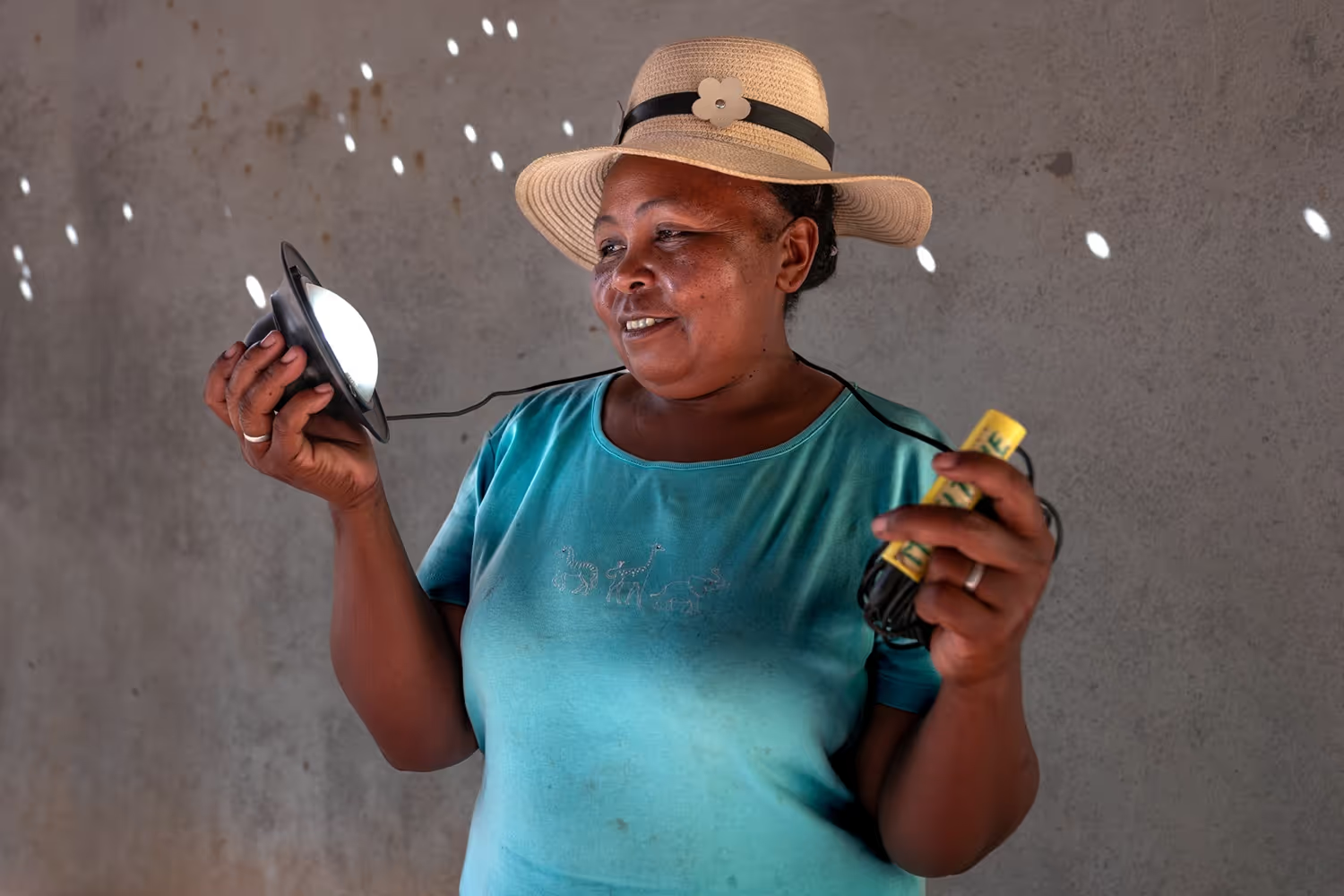
A woman holding a light powered by solar batteries.
Light Libraries

We install light libraries in schools, enabling families to rent rechargeable solar-powered lamps and creating a priceless difference by replacing toxic kerosene with safe and sustainable lighting that fuels education, enterprise, and climate resilience.

Learn More
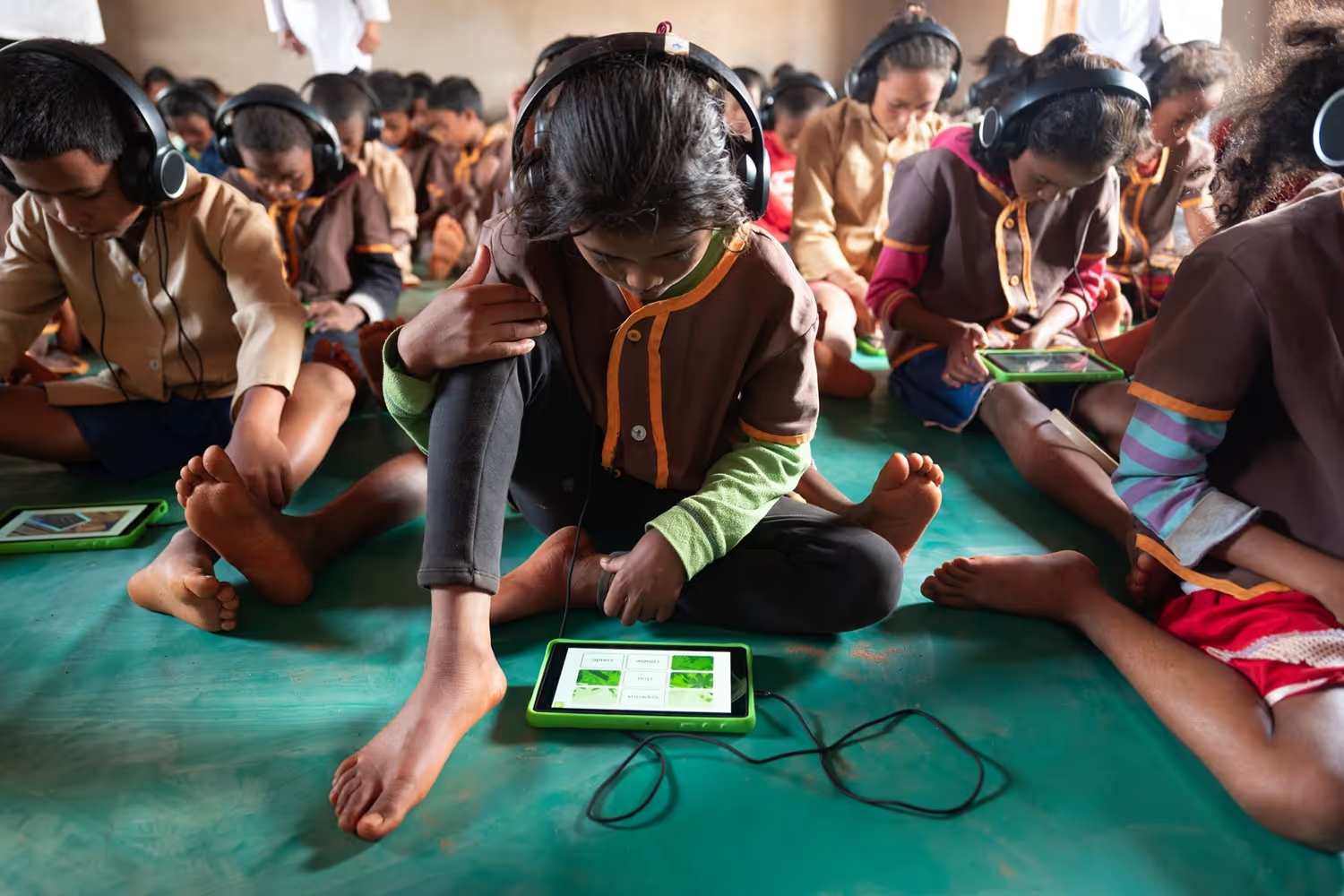
Children in a classroom wearing headphones and looking at tablets.
Digital Learning

We provide digital education resources to support teacher development and significantly improve student literacy and numeracy. We also train teachers and local school administration staff to embed the programme and keep it running.

Learn More
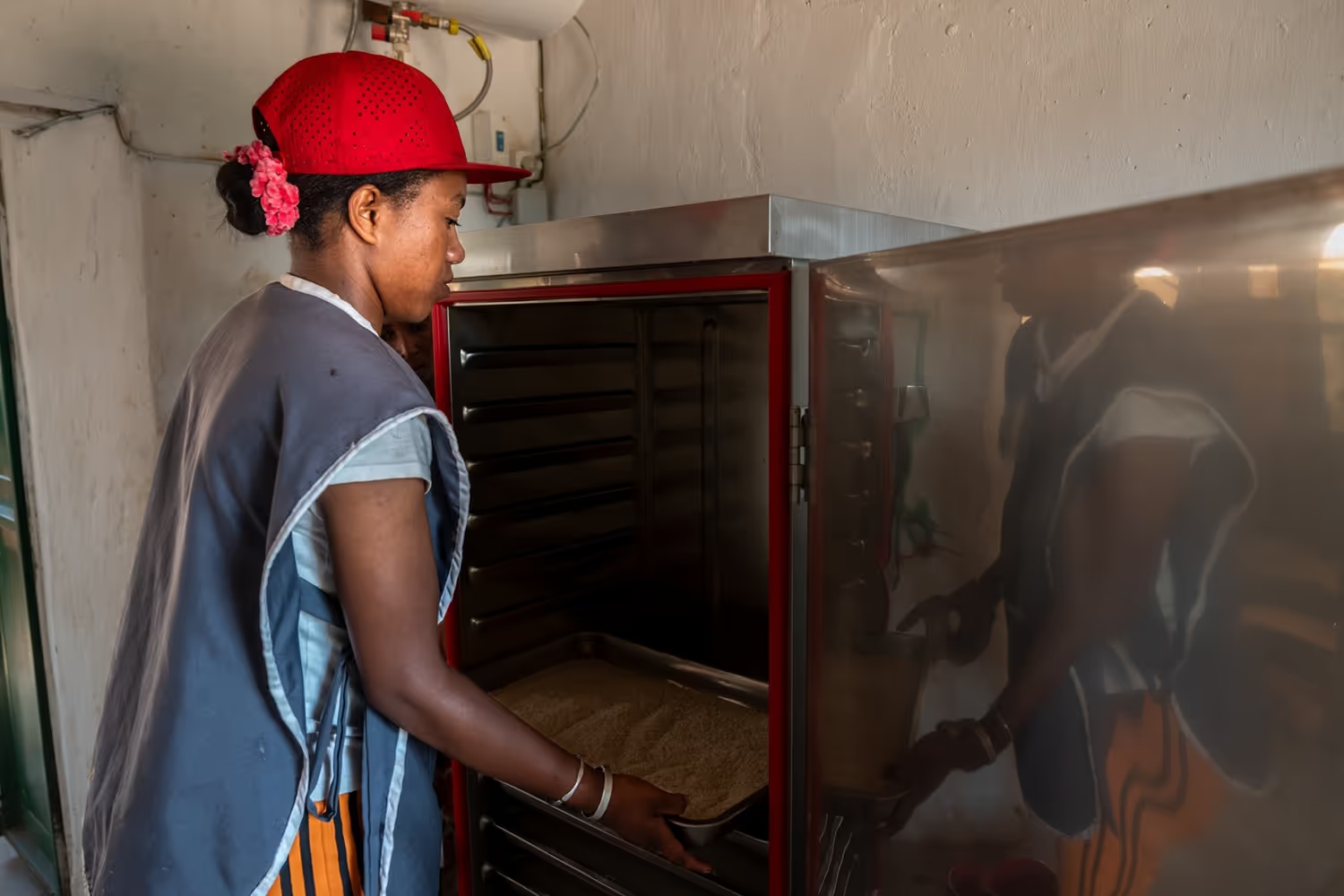
A woman preparing a meal in a school kitchen.
Clean Cooking

We are piloting solar cooking solutions for school feeding programmes, aiming to reduce firewood use, lower carbon emissions, and mitigate environmental degradation.

Learn More

Insights and Analysis

Both the Solar United Madagascar (SUM) partnership and our community‑based approach to delivering energy solutions are unique in Madagascar. With no other commercial services available or affordable to rural populations, SUM has introduced lighting, phone charging, educational resources, and cleaner cooking services to off‑grid Malagasy communities, bringing undeniable benefits and improving daily life.

SUM operates in a highly challenging socio‑political and economic environment marked by chronic poverty, underinvestment in infrastructure and public services, and the growing pressures of climate change, which further undermine livelihoods. Food insecurity is widespread, and investment in primary and secondary education remains insufficient.

In this section, we share lessons and insights to inform sector‑wide discussions on the types of finance needed to scale models such as ours, and on how to ensure that services remain sustainable and responsive to community needs.

Baseline Insights

This report presents the initial findings from a baseline assessment of SUM’s Light Library Programme across 31 schools. It examines participants’ demographic profiles, levels of energy access and usage, and their socio‑economic and educational backgrounds. The assessment also explores differences between adopters and non‑adopters, including potential barriers to uptake. When later compared with the endline analysis, these findings will help evaluate the programme’s impact within participating communities.
Cover page of Baseline Insights document

Why Madagascar?

Madagascar faces extreme poverty, climate vulnerability, and deep rural exclusion. Energy access in remote areas is below 11%, school enrolment and completion rates are low, and nearly half of children under five suffer from chronic malnutrition.

The operational context is exceptionally challenging: poor transport infrastructure, limited institutional capacity, and high distribution costs make it difficult to reach underserved communities. Yet falling solar costs and new funding streams offer a window for impact. Our work supports community-led solutions that improve education, health, and energy access where it’s needed most.

Trees near pathway in Madagascar.Colourful beach towels spread on a line on a beach.Lemur on a tree.Red rocky mountain side.

News & Stories

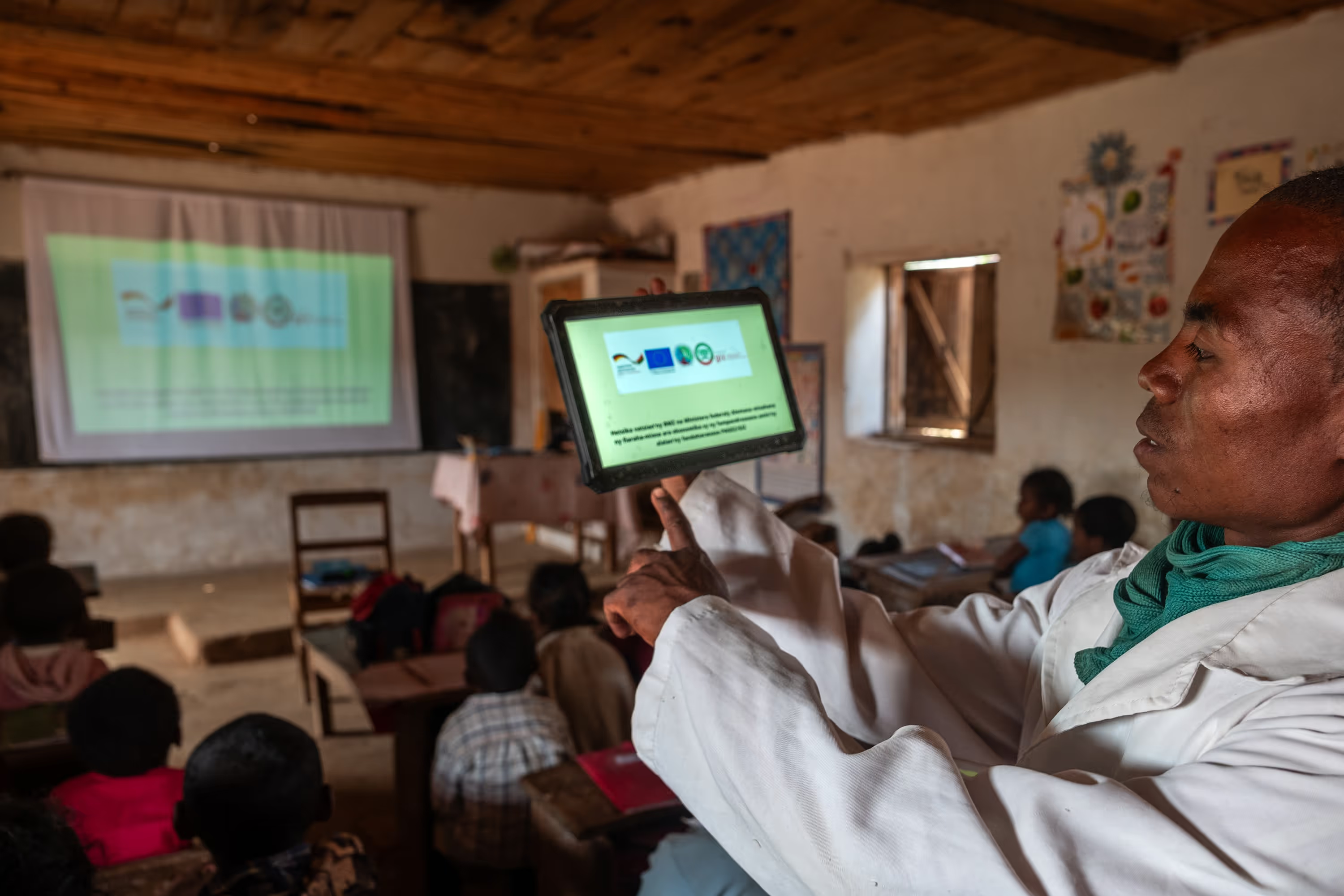
A teacher using a tablet to project a presentation for the class.
News
Digital Learning
Expanding Digital Learning
In September, Solar United Madagascar scaled its Digital Learning Programme from two pilot schools to 15, now reaching over 2,500 students across four regions. The programme gives teachers tablets connected to an offline intranet hub with thousands of curriculum-aligned resources and teacher training modules, and uses Light Libraries’ power solutions to keep learning going after dark.
Read More
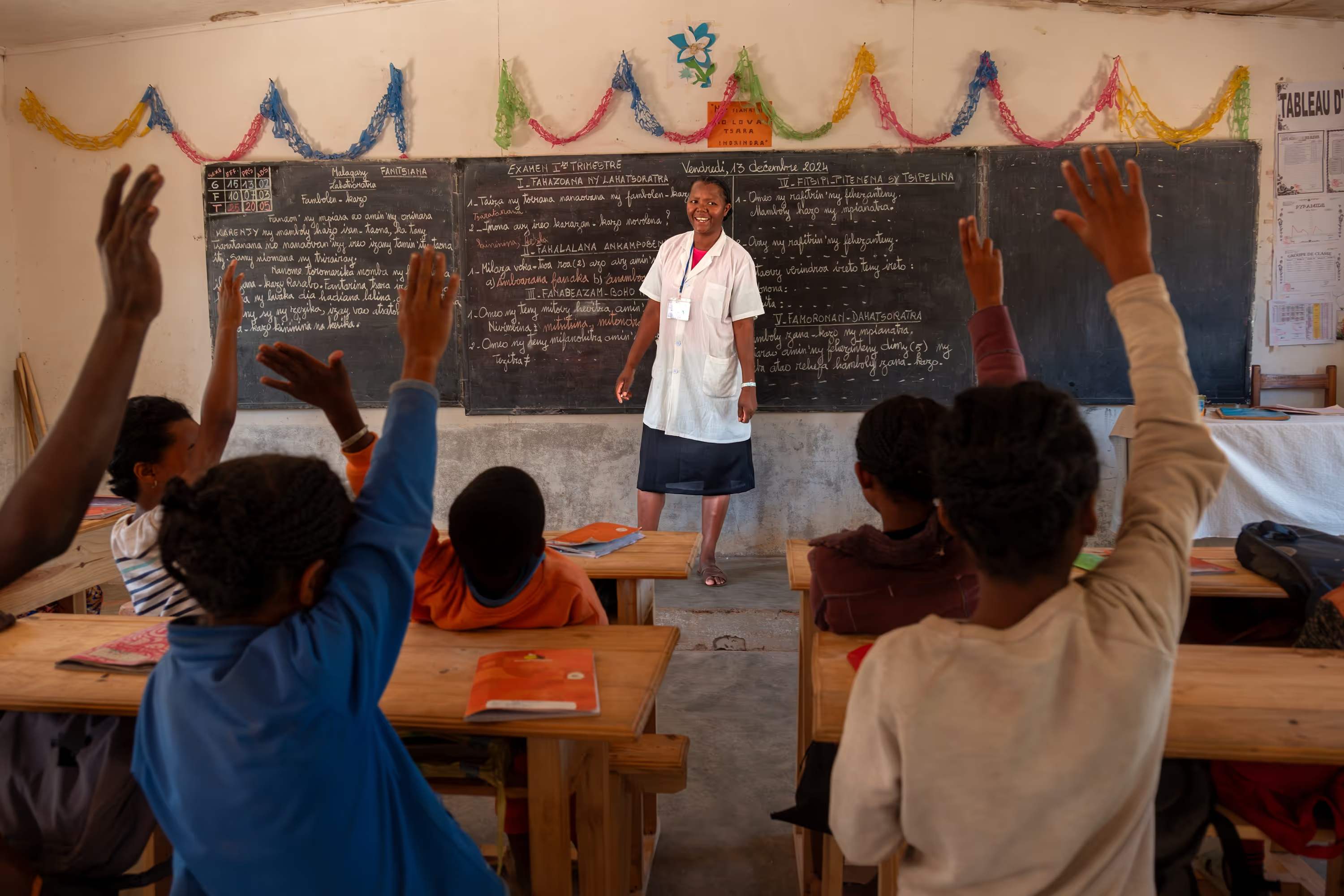
Classroom with teacher in front of a blackboard and children with their hands raised.
Case Study
Light Library
Lighting the Way for Learning
Mamie, a dedicated teacher at Rakotobe Joseph Primary School, transformed her home into a nightly study hub after receiving a solar lamp from the Light Library project. The steady, clean light replaced costly batteries and dim torches, letting her prepare lessons comfortably, support her five children’s homework, and watch her students arrive better prepared and more motivated. Her story shows how reliable solar lighting can reduce expenses, protect health, and power real improvements in learning across a whole community.
Read More
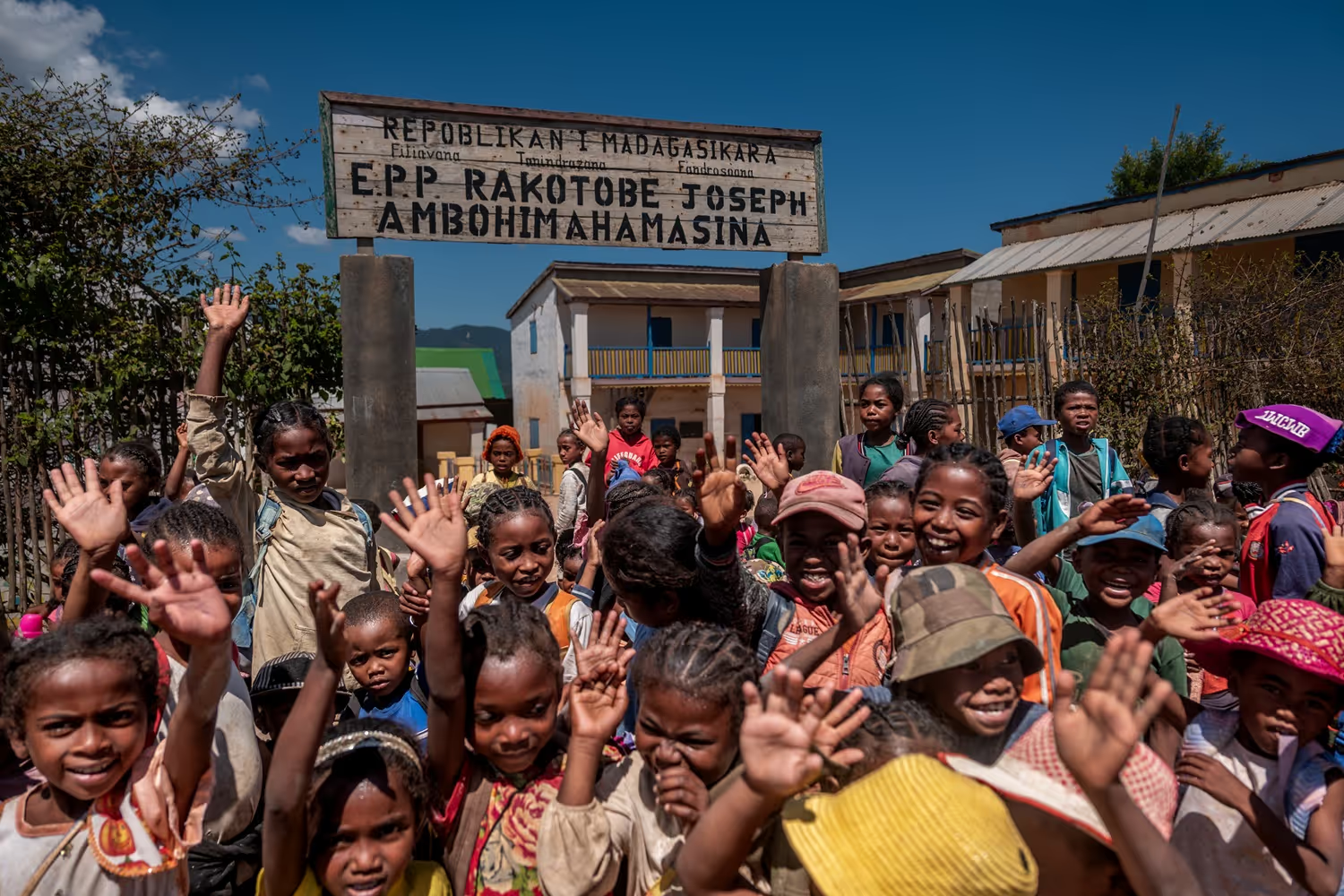
Children in front of a school entrance.
News
General
Watch our work in new Documentary
We’re thrilled to be featured in Planet Sun, a new documentary by the award-winning team behind Planet Wind. The film explores the global impact of solar energy, with a spotlight on SUM’s work in Madagascar where solar innovation meets education, nutrition, and community resilience. Catch a glimpse of our Light Libraries, solar cooking sites, and the inspiring people behind the movement.
Read More
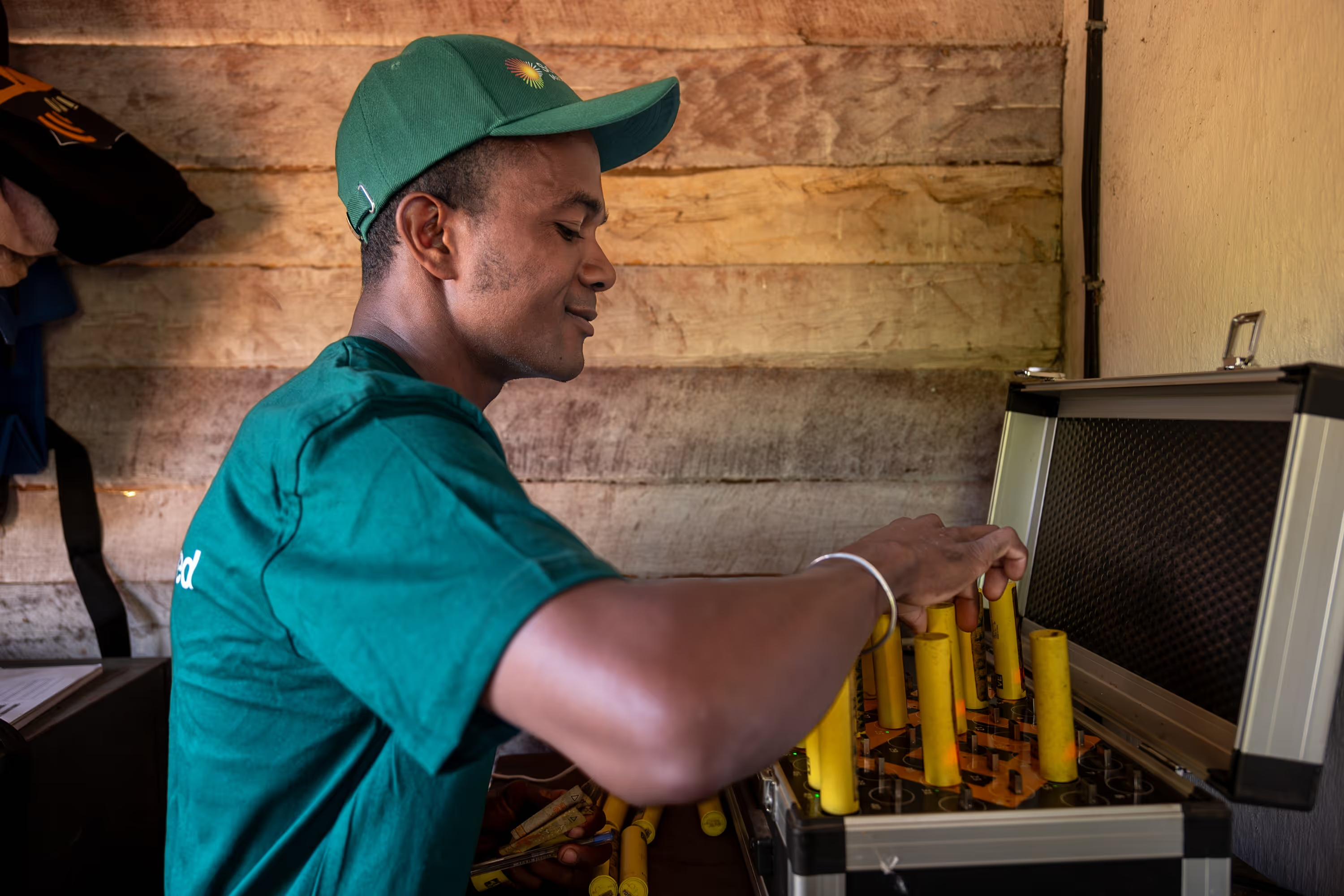
A man operating solar power battery bank.
Case Study
Light Library
A Day in Delson’s Light Library
Ialy Delson, a Light Library franchisee in Emagnevy, provides affordable solar lighting and power‑bank services, replacing costly kerosene lamps so children can study at night and families spend less on lighting—he hopes the model will expand and drive wider community benefits.
Read More
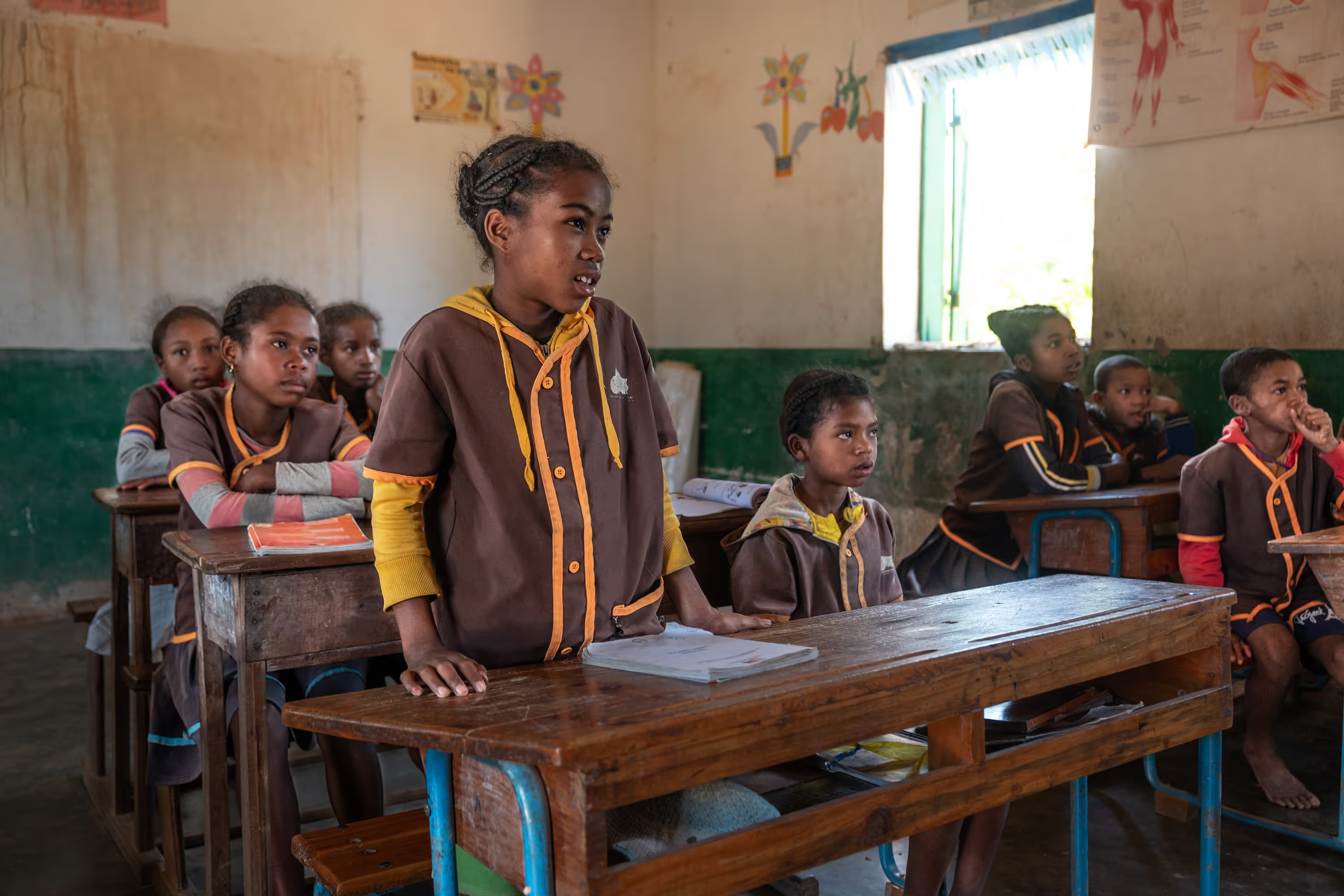
Children in a classroom.
Case Study
Light Library
Bright Futures with Solar Lamps
Colette, a 10-year-old student at Ankarinomby Primary School, used to study by a smoky kerosene lamp until her school’s Light Library began renting solar lamps and power banks. The clean, reliable light now lets her and her sister study every evening, keeps the family’s phone charged, and replaces weekly fuel costs with an affordable rental that her grandparents see as an investment in her future.
Read More