

Malnutrition is widespread in Madagascar and hundreds of primary schools in the current SUM geographic areas provide daily school meals.
To reduce firewood usage, we install solar cookers in school kitchens, enabling the preparation of large quantities of rice without the need for traditional fuels.
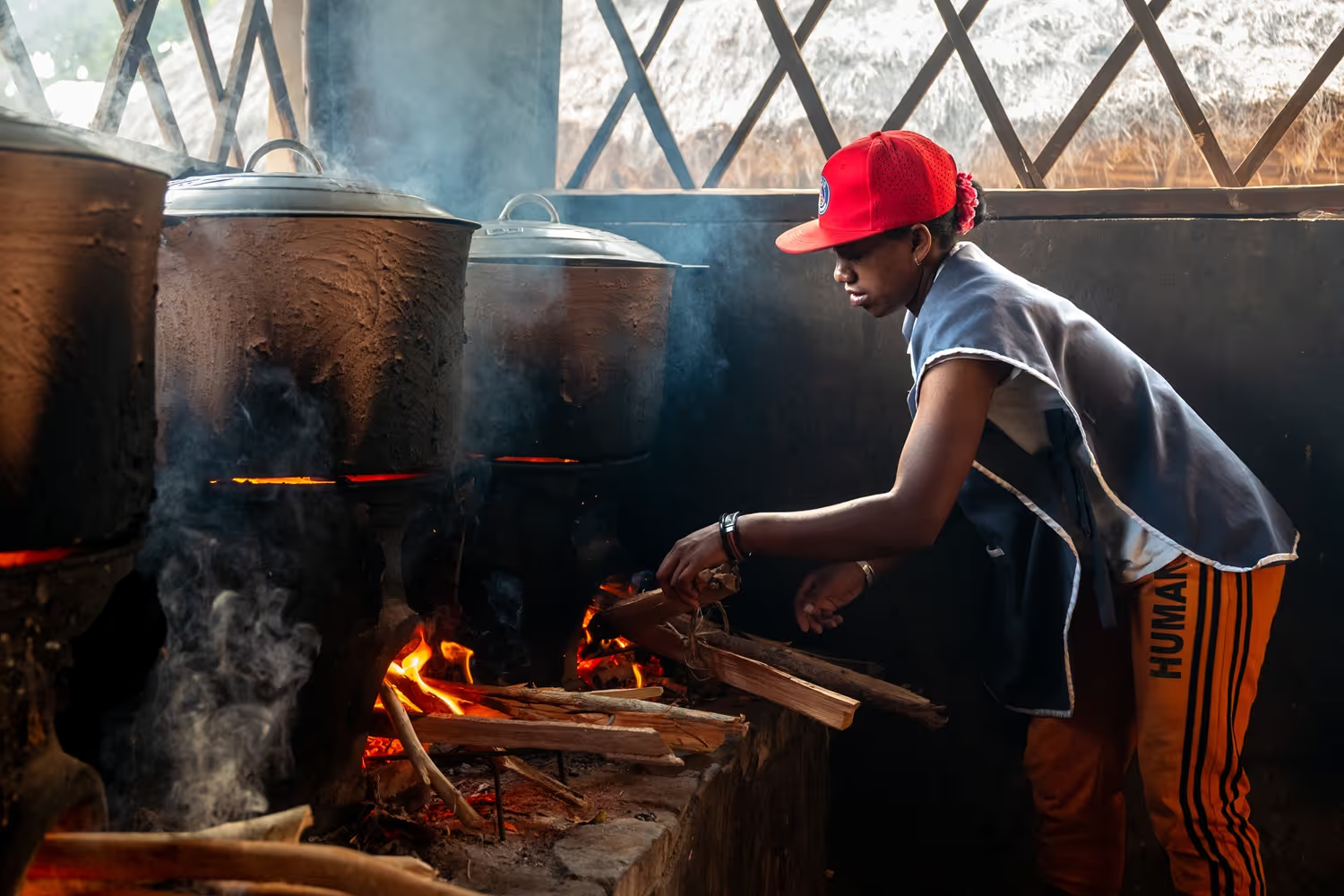
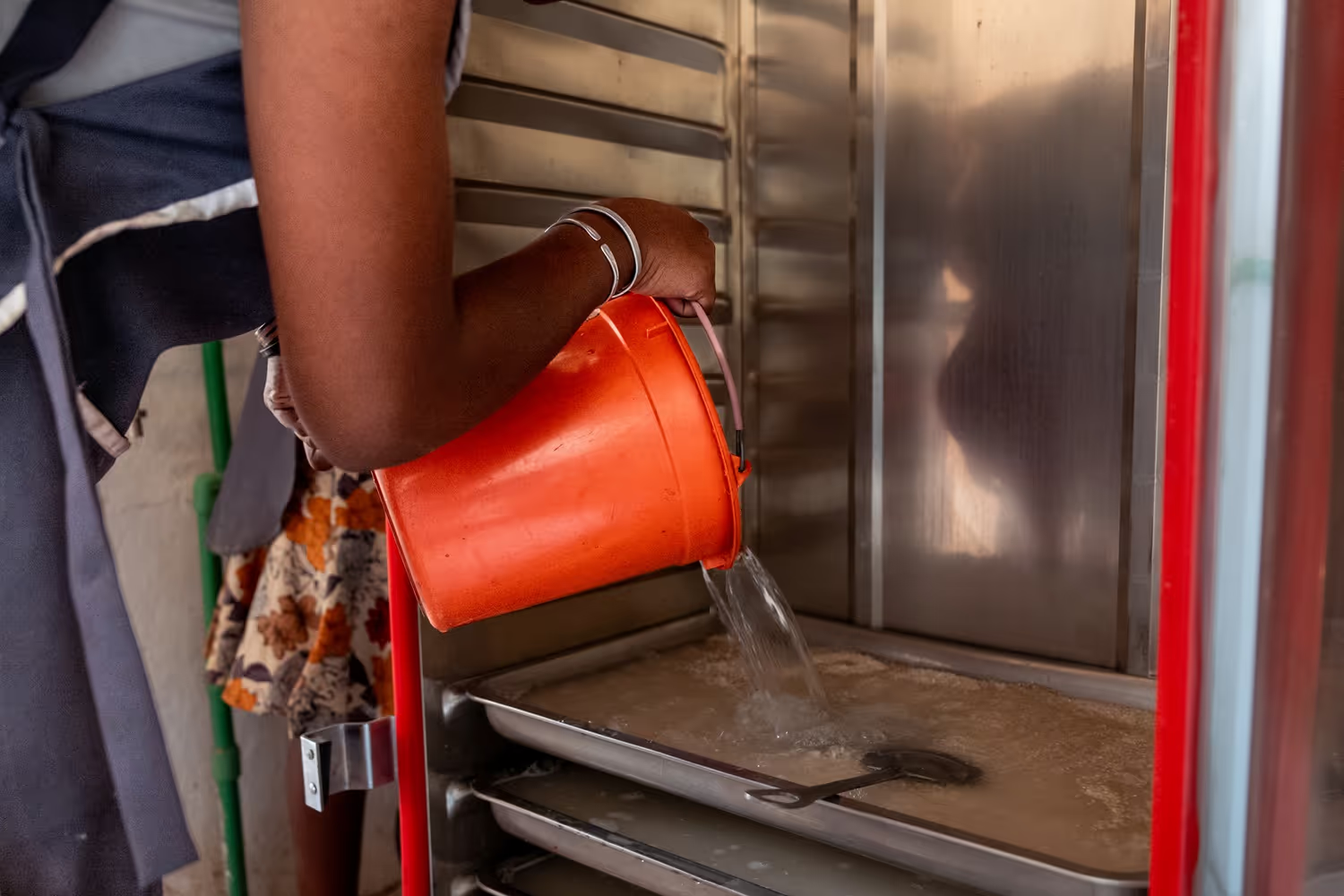
The solar cookers cut cooking time in half, eliminate the use of wood and charcoal, and significantly improve safety by removing open flames. They also prevent exposure to toxic smoke, creating a healthier environment for cooks and the wider school community.
Parents, who are running the school kitchens, are trained to operate the cookers and carry out daily cleaning and maintenance.
Students no longer need to collect firewood before school. Families who used to purchase firewood are relieved of this financial burden. Parents in charge of cooking no longer have to breathe in harmful smoke from traditional firewood stoves.
The broader environmental impact of the programme is measured in terms of forest area preserved and the volume of carbon emissions captured and avoided.
.avif)
We installed our first clean cooking site in 2023. Following a two‑year trial period, during which we ensured the system met the needs of the school and confirmed that parents could successfully operate the equipment, we are now delighted to expand clean cooking to six additional schools in 2026, three of which are already funded.
Over two years of operation, the system has already saved 4.6 hectares of forest, reduced and captured 2 tons of carbon emissions, and provided daily meals to 380 students throughout the school year.


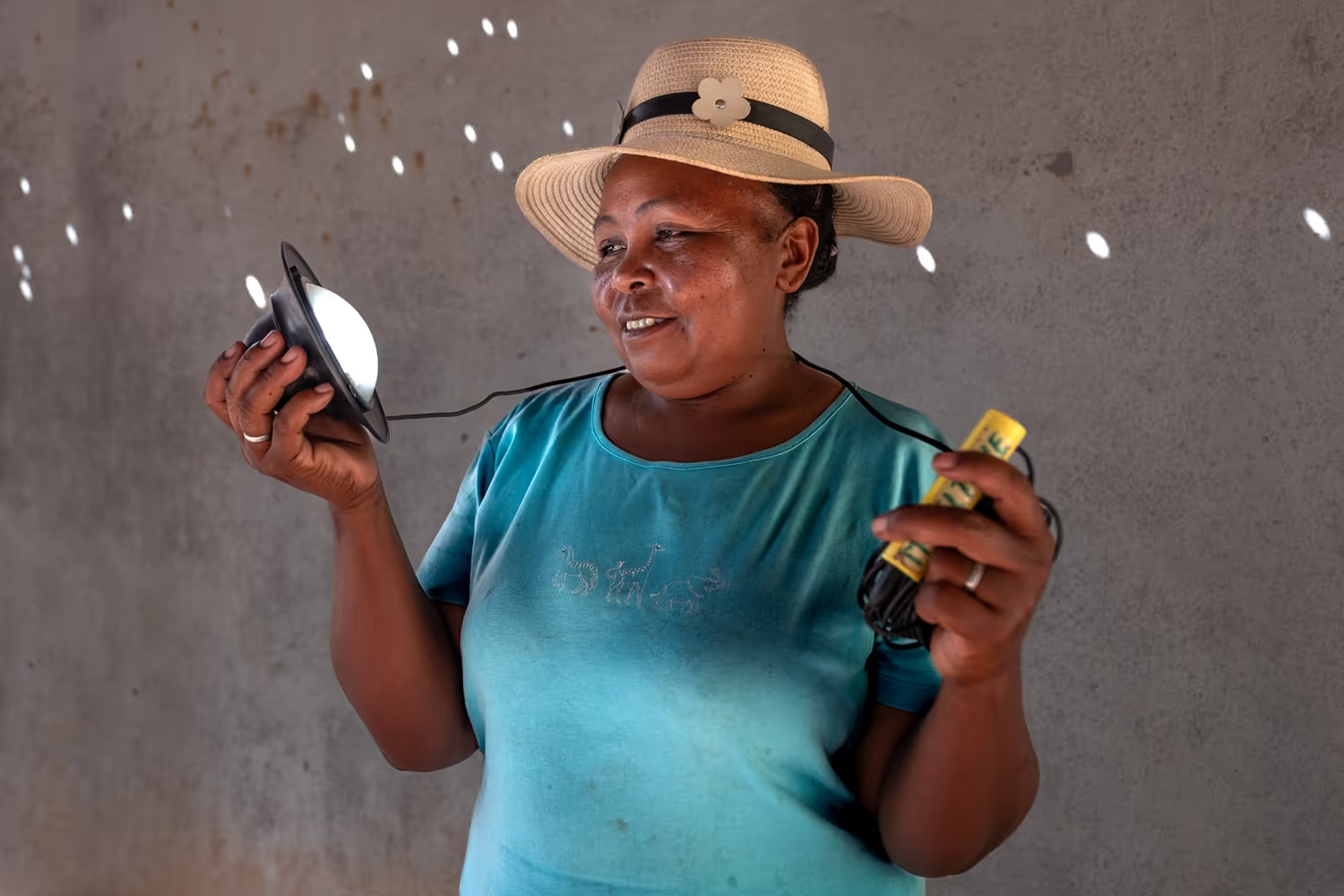
We install light libraries in schools, enabling families to rent rechargeable solar-powered lamps and creating a priceless difference by replacing toxic kerosene with safe and sustainable lighting that fuels education, enterprise, and climate resilience.
Learn More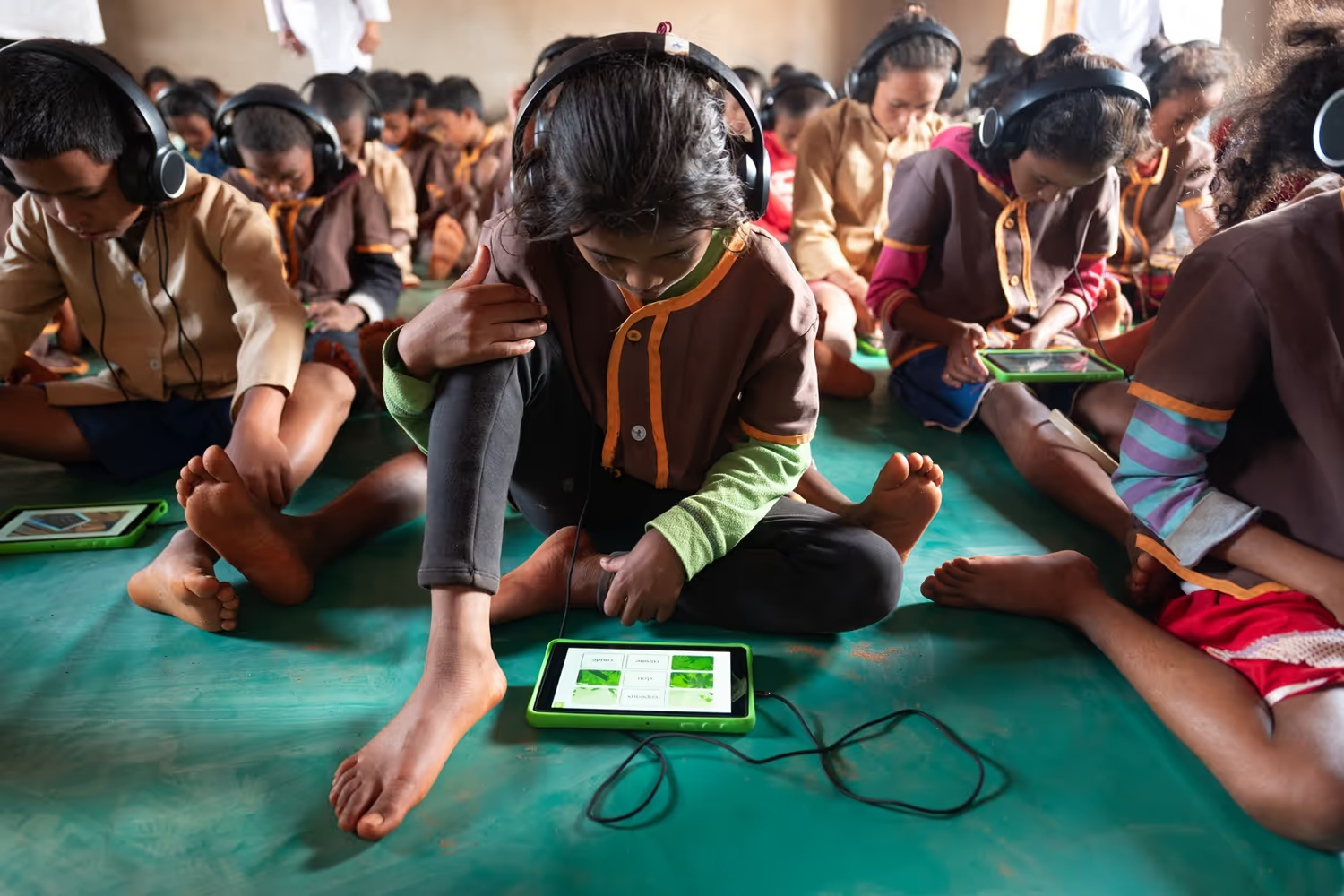
We provide digital education resources to support teacher development and significantly improve student literacy and numeracy. We also train teachers and local school administration staff to embed the programme and keep it running.
Learn MoreWant to know more about our Light Libraries, Digital Learning programmes, or how to get involved? Please get in touch to discuss how you can help power positive change.
Contact Us